· Updated
The ultimate moving guide for less stress
Moving can be a stressful time, but with the right planning and tools it can be a smooth transition. In our moving checklist, you'll find the most important things to think about and what to prioritise first.
Want it all on one page? See our step-by-step moving checklist and what a moving company costs.
1–2 months before moving day:
1. Declutter, declutter, declutter
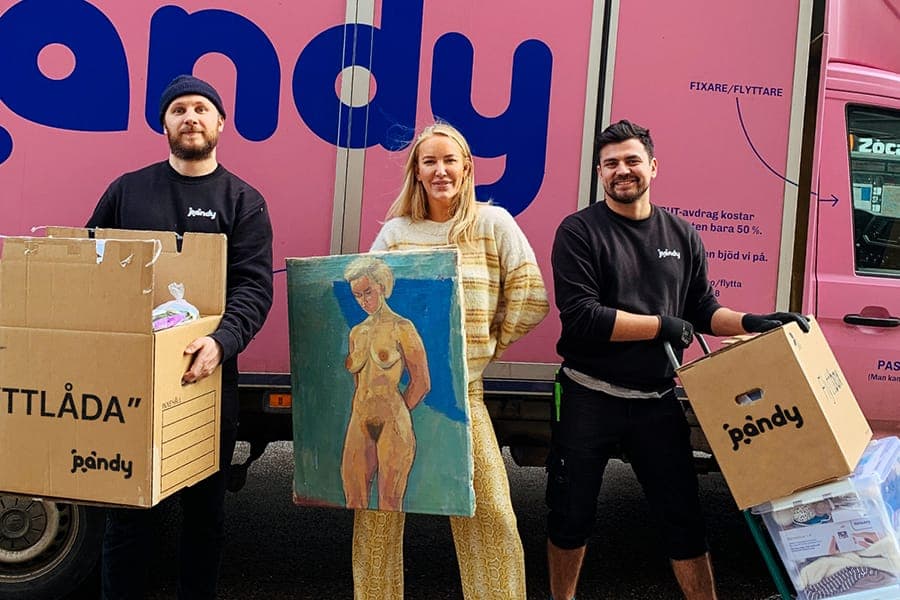
Take the opportunity to go through your clothes and other belongings. See what can be thrown away or donated. This will reduce the amount of stuff that needs to be packed, transported and unpacked.
2. Sell or donate
Consider selling or donating furniture, clothes and other things you no longer need. This will reduce the amount of stuff that needs to be packed and moved – and put a little extra money in your pocket. Clothes and furniture sell easily on websites like Blocket, Tradera and Facebook Marketplace. You can donate to organisations such as Stockholms Stadsmission and Myrorna.
3. Recycling centre
Visit your nearest recycling centre (ÅVC) to get rid of rubbish and materials that can't be reused — your municipality lists addresses and opening hours. If this is heavy and time-consuming, you can of course use Pandy to help with it.
4. Days off for packing
If possible, it can be a good idea to take a few days off before the move to pack and organise your belongings. If you choose to pack yourselves, plan to have enough time and resources to do it efficiently.
5. Somewhere to stay between homes
If you can't move straight into your new home, make sure you have a plan for where you'll stay in the meantime. It may be worth booking a hotel or asking friends or relatives.
6. Home insurance
Check with your insurance company whether your existing home insurance will cover you in your new home. If not, make sure to take out new home insurance as soon as possible to protect yourself and your property in your new home. Active home insurance is also needed on moving day to have full cover for your household goods.
7. Change your address
Register a change of address with mail forwarding so your post ends up in the right place after your move. You can easily do this at adressandring.se
8. Register your move with the Swedish Tax Agency
As soon as you know your moving date, it's a good idea to register your move with the Swedish Tax Agency (Skatteverket). This updates your registered address with Swedish authorities and other organisations. You do this on the Swedish Tax Agency's website
2–3 weeks before moving day
1. Packing materials
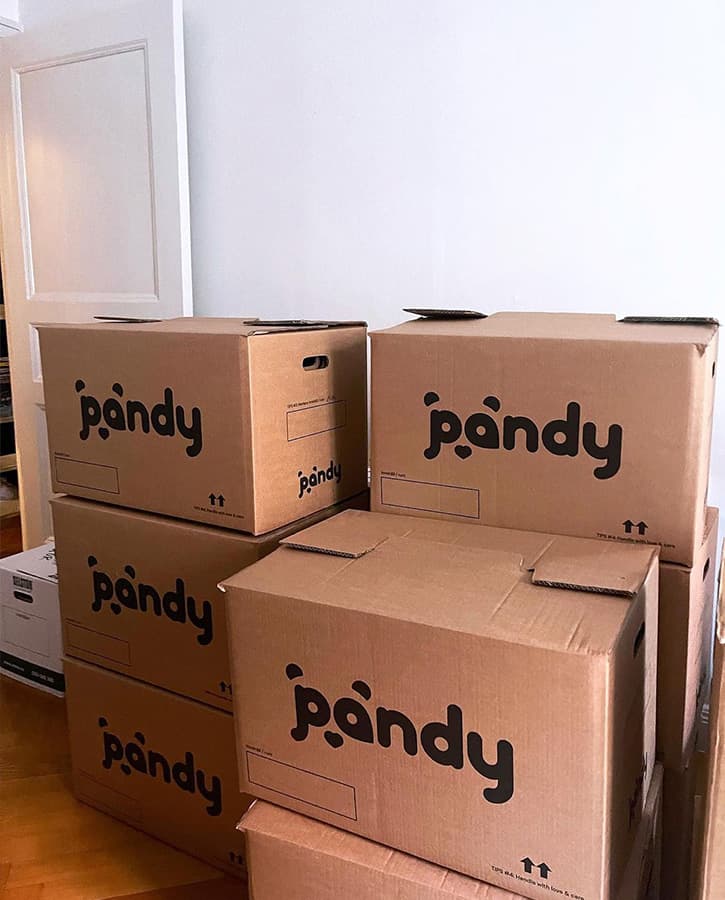
Make sure you have enough moving boxes, bubble wrap and tape to pack your things. Newspaper is handy too, so start saving it. A common rule of thumb is about one moving box per square metre. Pack your boxes so they can be closed completely. Be careful to protect fragile items with extra wrapping, as things can break if packed carelessly, and mark which boxes are fragile. You can buy moving boxes from various shops, borrow them from friends who've moved recently, or borrow them from Pandy.
2. Storage
To make the move easier, it can be a good idea to keep all the boxes in a storage unit or warehouse, especially if you don't have enough space at home or if your new address doesn't have as much storage as your current home. Storage can be booked on Pandy's website.
3. Cancel your electricity contract
Cancel your existing electricity contract and make sure you don't miss any details. Check whether you're due a refund or have a bill to pay before the move. At the same time, check whether there are electricity companies in your new area that suit your needs and budget. Sign a new electricity contract as soon as possible so you're not left without power.
4. Broadband and other subscriptions
Cancel or move broadband and other subscriptions tied to the address, and sign up in good time for the new home. Check with the providers whether there are discounts or offers for new customers.
5. Label boxes properly
Label your boxes clearly with their contents so you can easily find what you're looking for when you unpack. Use a colour-coding or numbering system to keep track of all your things and the different rooms. An example of colour coding could be red tape for extra fragile items.
6. Start preparing your packing TODAY!
Trust us – time flies, so start today. If you can't pack today, you can at least start packing mentally. Write a list of how you plan to pack. This could be room by room or category by category. Once that's done, you're ready for the first moving box. Examples of subcategories for clothes could be everyday clothes, sportswear, winter jackets and shoes, so you can easily sort them and make unpacking easier. Promise you'll at least try to start today?
7. Consider packing help
Is none of the above for you? If no friend or relative "has the chance" to help you, you can book packing help with Pandy.
One week before the move
1. Have 95% packed 3 days before the move
Try to have as much as possible packed in advance, so you're not stressing over unpacked things at the last minute. Separate things you won't need in the near future from things you want quick access to, and make sure they're clearly labelled. Below are two examples of things that are good to have quick access to:
2. Access to kitchen items
Pack a separate bag or box with a set of the most important kitchen items you'll need to cook during the first few days in your new home. This includes plates, cutlery, glasses, saucepans and frying pans.
3. Pack a "go-to bag"
Pack a separate bag with clothes, medicines and toiletries for the first few days, which you transport separately yourself so you have access to it. It may also be wise to pack your most valuable items, such as passports, bank security tokens and other important documents you may need access to, especially if your belongings are going into storage.
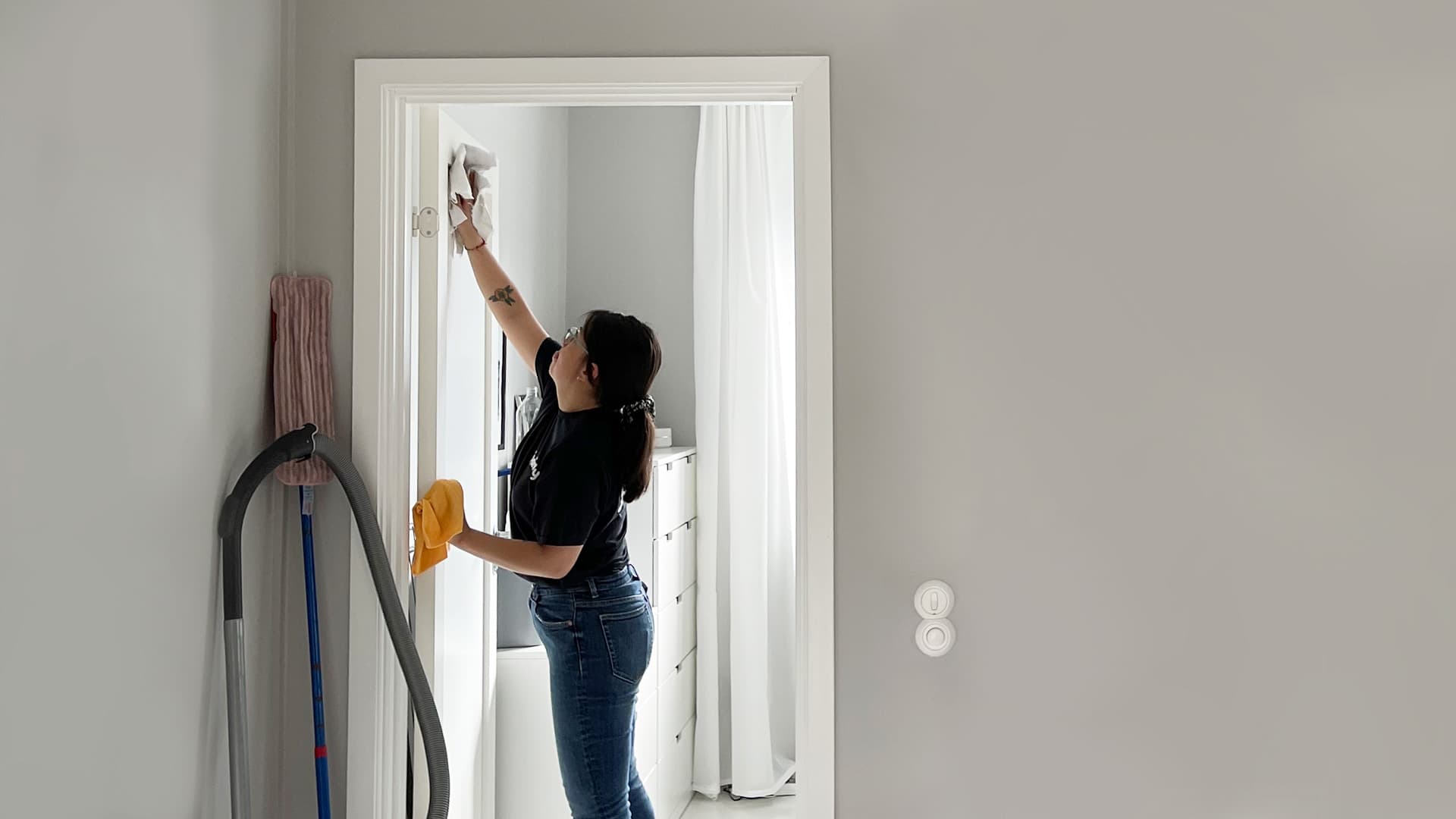
4. Plan the move-out cleaning
It's important to have a plan for the move-out cleaning, as it takes a lot of time to do yourself and can otherwise fail the next owner's inspection if details are missed. If you do the move-out cleaning yourself, think about how you'll leave cleaning materials and move the cleaning products when you're done. If you don't have time or feel unsure, you can of course book move-out cleaning with us.
5. Parking for the moving van
Check that there's parking at both your new and old homes, especially if it needs to be unlocked or booked. If parking is limited, it may be a good idea to contact the housing association to see if there's a driveway or another spot you can borrow.
6. Babysitter
If you have children, consider arranging a babysitter for the day, so you can focus on the move without having to worry about entertaining and looking after your children at the same time. Moving is stressful enough already…
7. Let your neighbours know
If you're moving to or from an apartment, let your neighbours know in advance that the lift will be in use during the day. A note in the stairwell can be enough, and it can also reassure neighbours that there are "strangers" in the stairwell during the day.
8. Put things up in your new home
Of course we're upselling here (again?), but trust us on this one: book a handyman if you don't have access to tools. While you start unpacking, it's the perfect time to think about where pictures, mirrors, shelves and the TV can go on the wall – then we'll come and help you put everything up. An enormously satisfying thing to tick off, and it makes the place feel like home faster.
9. Unpacking
If you need help unpacking in your new home, ask a kind friend or relative who wants to help. Otherwise, consider hiring professional help to make the process smoother and less stressful. Pandy is here to come to your rescue.
In summary
Hopefully you'll trust us when we say it's worth starting in good time. Partly to avoid stress, but if you plan your packing the right way, it's also easier to unpack in your new home. Be careful to wrap fragile items in protective packaging and mark those boxes clearly as extra fragile. Good luck!